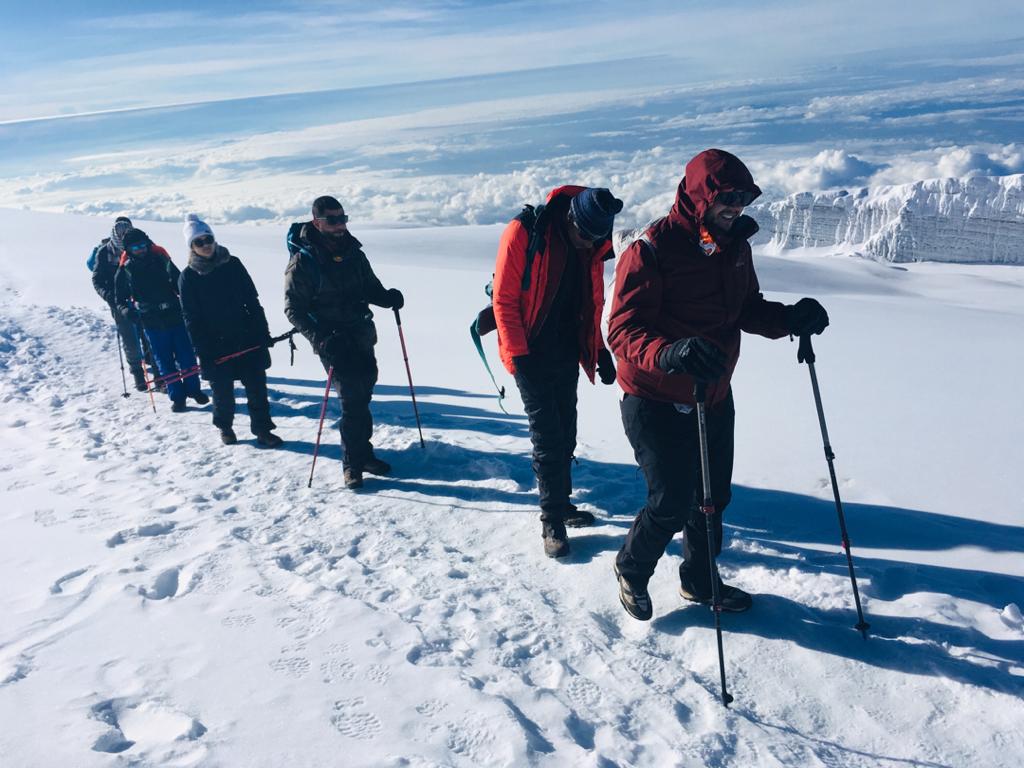
Mount Kilimanjaro Climb Guide
Last Minute Deals
Climbing Mount Kilimanjaro – A Complete Guide for Adventurers
Mount Kilimanjaro is the highest mountain in Africa and one of the most iconic trekking destinations in the world. Rising 5,895 meters (19,341 feet) above sea level, it is a dream for hikers, nature lovers, and bucket-list travelers. Whether you’re a seasoned trekker or a first-time high-altitude climber, Kilimanjaro offers a unique challenge—and a truly life-changing reward.
At Paka Adventures, we help travelers like you plan and conquer Kilimanjaro with personalized trekking experiences, expert guides, and unmatched local insight.
🌍 Kilimanjaro The Roof of Africa
Best Time to Climb Mount Kilimanjaro
While Kilimanjaro can technically be climbed year-round, the best months offer stable weather, clearer skies, and safer conditions.
Ideal Climbing Seasons
January to March: Cooler and quieter; possible snow on summit
June to October: Warm, dry, and popular; great views
Avoid: April–May and November – wet and slippery trails
Tip: Book at least 4–6 months in advance for high-season dates
Why Choose Us for your Tanzania Safari?
Expert Guides
Low price & friendly
Tailored Itineraries
How Much Does It Cost to Climb Kilimanjaro?
The cost of a Kilimanjaro trek varies based on route, duration, inclusions, and operator quality.
| Budget Type | Approx. Cost (USD) | Includes |
|---|---|---|
| Budget | $1,500 – $2,000 | Basic camps, group tour |
| Mid-Range | $2,000 – $3,000 | Experienced guides, gear, meals |
| Luxury | $3,500 – $6,000+ | Private tents, portable toilets, gourmet meals |
What’s Included in Most Packages?
Park fees and permits
Guides and porters
Accommodation (tents or huts)
Meals and water
Rescue service
Transfers
What’s Not Included?
Tips (typically $250–$300 per trek)
Flights & visa fees
Personal gear rental
Travel insurance
Physical Fitness for Climbing Kilimanjaro
You don’t need to be a mountaineer to summit Kilimanjaro, but good physical condition is essential.
Recommended Fitness Level:
Hike 10–15 km (6–10 miles) comfortably
Carry a light pack on uneven terrain
Exercise 4–5 times a week for 2–3 months prior
Training Tips:
Long-distance hiking
Stair climbing
Strength training (legs, core)
Altitude simulation if available
Practice with your gear
Bonus Tip: Train at high elevations or use altitude training masks if you live at sea level
Let’s Plan Your Safari
Contact us today for a free quote and expert safari planning.
frequently asked questions (FAQs)
How long does it take to climb Mount Kilimanjaro?
✅ Most Kilimanjaro climbs take between 5 to 9 days, depending on the route. Longer treks, such as the 8-day Lemosho or 9-day Northern Circuit, offer better acclimatization and a higher summit success rate.
What is the best time of year to climb Kilimanjaro?
✅
The best times to climb Kilimanjaro are during the dry seasons:
January to early March (less crowded, cooler)
June to October (warm, clear skies)
Avoid climbing in April, May, and November due to heavy rains and slippery trails.
Do I need prior mountaineering experience to climb Kilimanjaro?
✅ No mountaineering experience is required. Kilimanjaro is a non-technical climb, but you should be in good physical shape and comfortable hiking long distances on steep terrain.
What are the chances of reaching the summit?
✅
Summit success rates vary by route:
Shorter routes (5–6 days): ~50–60%
Longer routes (7–9 days): up to 90%
Choosing a longer itinerary and proper acclimatization greatly increases your chances of reaching Uhuru Peak.
Is altitude sickness a risk on Kilimanjaro?
✅
Yes, altitude sickness is the biggest challenge on Kilimanjaro. To reduce risk:
Choose a longer route
Stay hydrated
Climb slowly (“pole pole” pace)
Consider altitude medication (ask your doctor)
Our experienced guides monitor your health daily to ensure safety.
What should I pack for a Kilimanjaro climb?
✅
Essential gear includes:
Insulated jacket and layered clothing
Waterproof boots and rain gear
Sleeping bag (rated to -10°C/14°F)
Trekking poles
Headlamp, water bottles, and snacks
You can rent high-quality gear in Tanzania if needed. We provide a full packing list upon booking.